

A quick reminder to fellow outdoor enthusiasts: Watch for ticks!
And I don’t mean just hikers, campers, or backcountry explorers. If you’re walking through a park, if you have furry friends, working in the garden, raking leaves in the fall, hunting, fishing, in grass and brush, you’ll need to check yourself for these annoying critters regularly.
Ticks are both a Summer AND Fall problem.
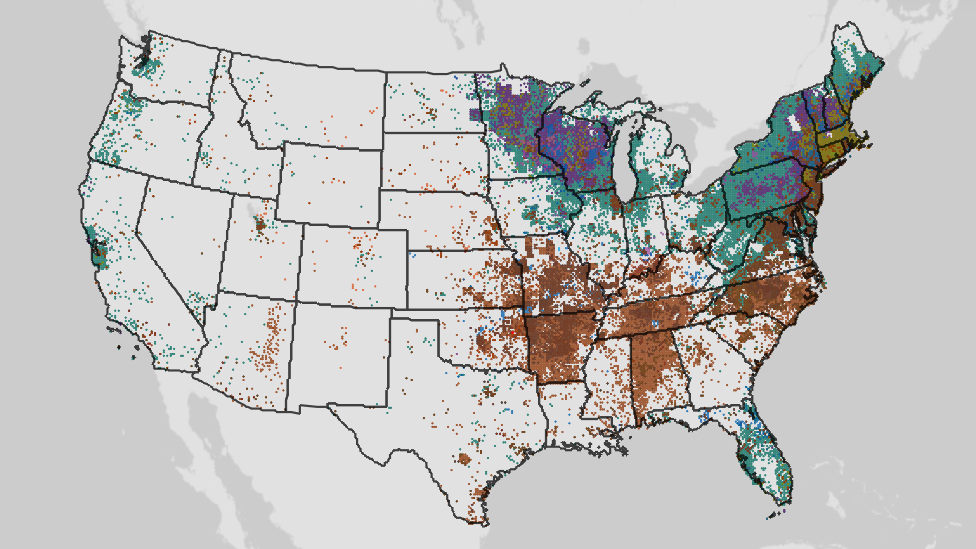
CDC Tick-borne diseases. Click to open an interactive zoom map to find your county!
Key Objectives
Recognize why ticks can remain a concern in fall, not only summer.
Identify common U.S. ticks and the illnesses they are known to spread.
Understand the difference between a tick bite, an infection, and a later tickborne diagnosis.
Know how to remove a tick, when to ask about preventive antibiotics, and which symptoms deserve evaluation.
Build a practical prevention routine for clothing, pets, skin checks, and repellents.
Wait — Ticks in the Summer AND Fall?
Unfortunately. Tick activity peaks in summer and fall. It depends on the species, their life stage, temperature, and geography. If you look at the data, visits for tick-bite related concerns are predominantly spring/early-summer peak then a smaller second peak in October–November [1]. The tick-born illness comes later, with Lyme disease onset peaking slightly after [3,4].
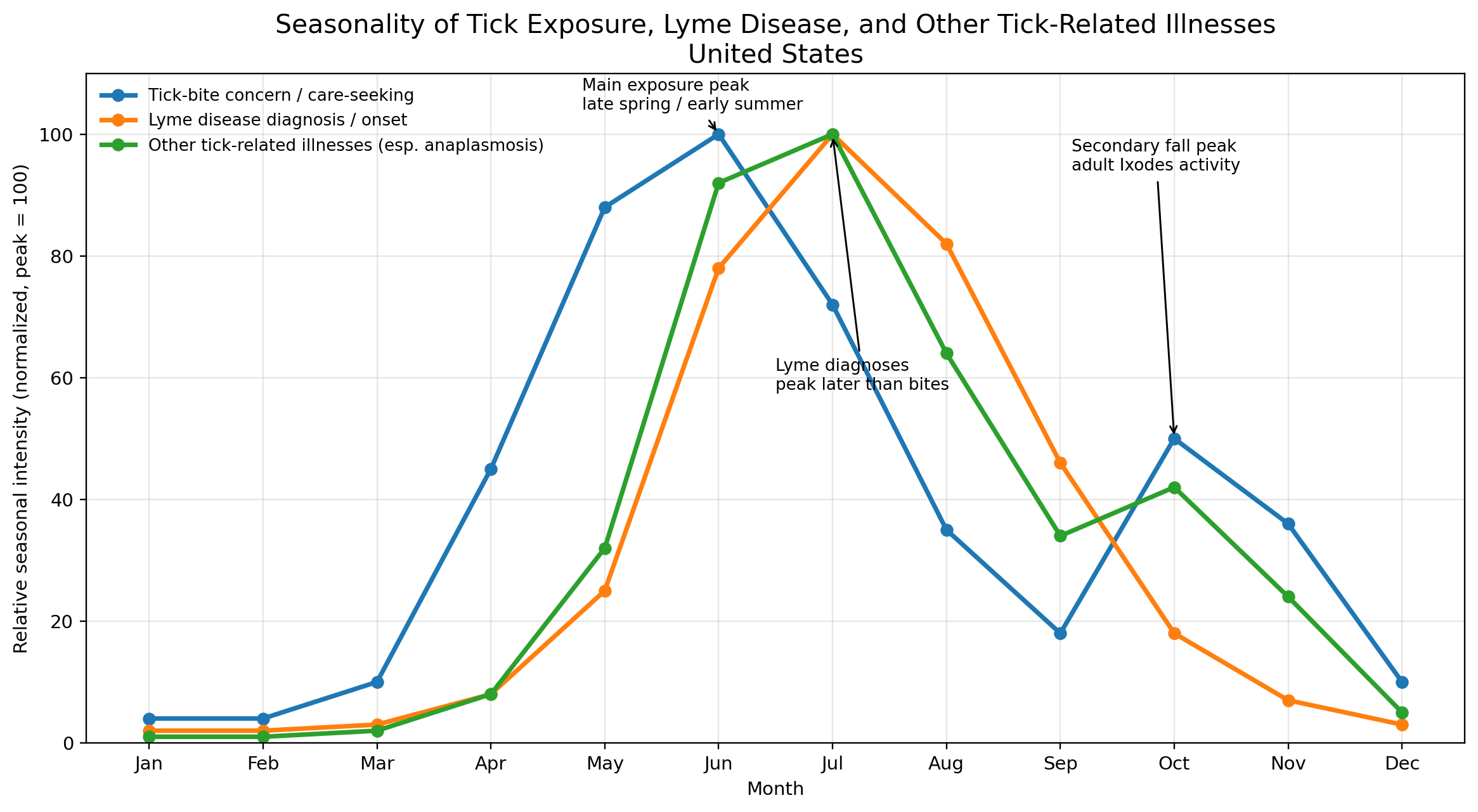
Figure 1. Illustrative seasonal timing of tick exposure and selected tickborne illnesses. The smaller October–November rise is supported most clearly for tick-bite ED visits and anaplasmosis [1,3,5].
They Can Be Almost Impossible to See
Ticks are easy to miss. Nymphs—the life stage that often bites people—can be very small (smaller than some coffee grounds)! Adults are easier to spot and typically what we think about when we hear the word tick. Be familiar with how some of them look!
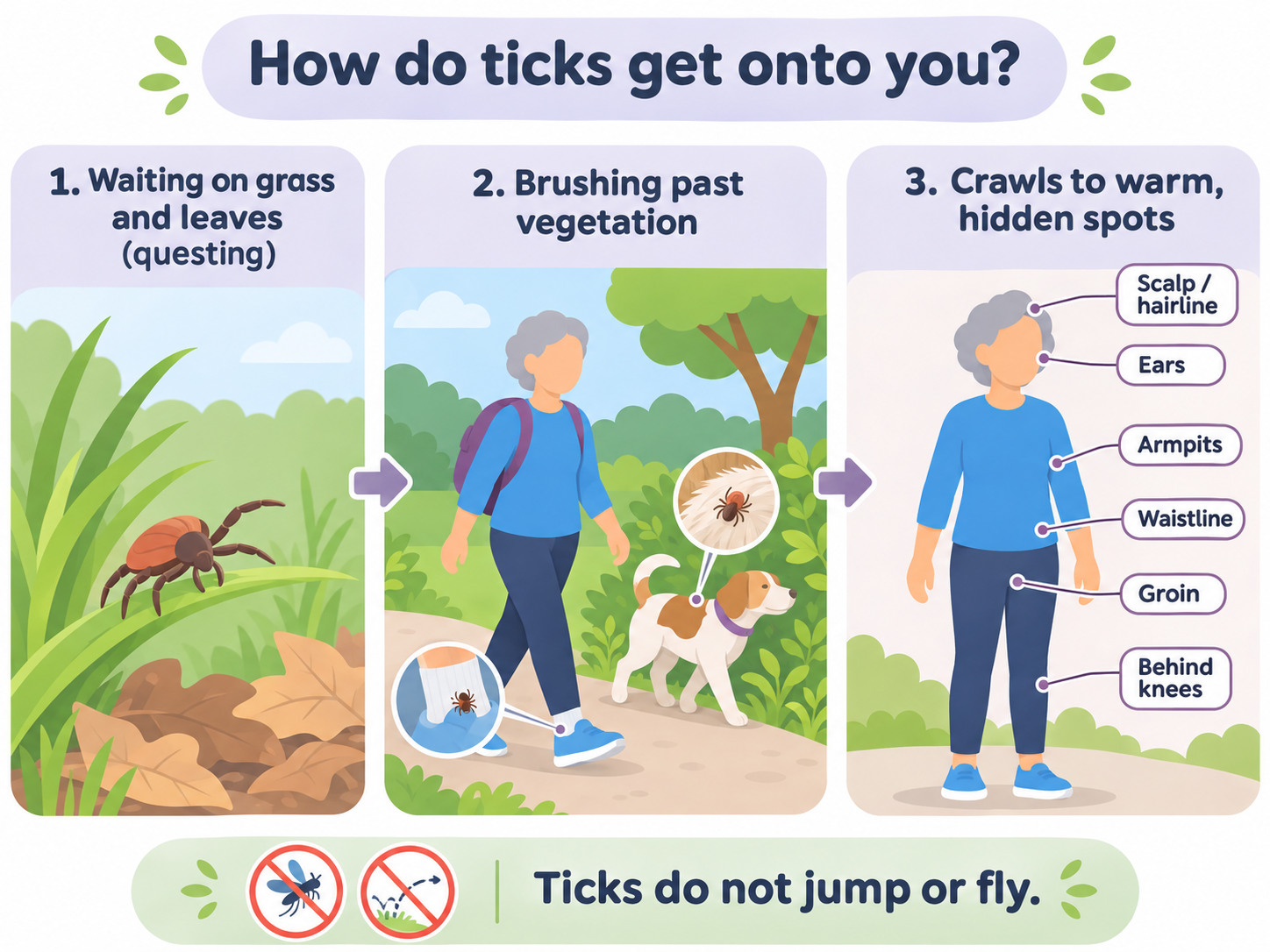
Figure 3. How ticks get onto you and your pet
How Do Ticks Get Onto You?
Ticks do not jump or fly. Many wait on grass, brush, or leaf litter with their front legs extended waiting to latch on. When a person or animal brushes past, the tick transfers to clothing or fur and then crawls toward warm, hidden areas.
Ticks Carry Disease. Which Ones and Where? How about where I live?
Not all ticks carry the same pathogens. Think about it like barbeque - different regions have different flavors, right? In the eastern United States and upper Midwest, the blacklegged tick is the major Lyme disease vector whereas on the Pacific coast, the western blacklegged tick matters. Lone star ticks are increasingly important across the South, Midwest, and East, while American dog ticks remain relevant for spotted-fever illnesses [2,6].
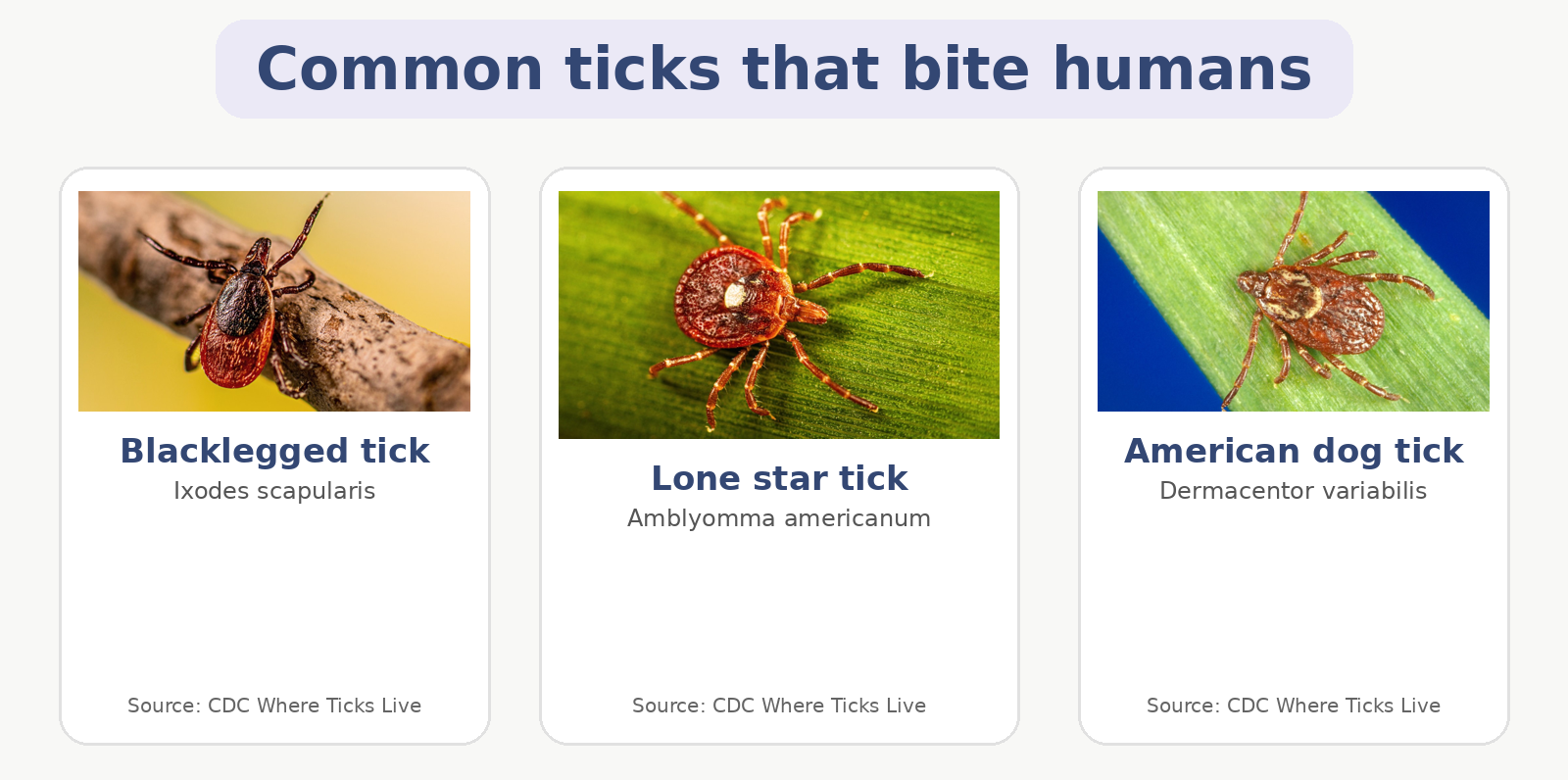
Figure 2. Examples of common ticks that bite humans. Photos sourced from CDC educational materials.
Click here to see a case map from the CDC from earlier. Zoom into exactly where you live. Can you match them to the types you see here?
With the warming temperatures and warm winters, ticks are rapidly expanding across the US… Have they made it to where you live?
A Tick Bite Is Not the Same as Lyme Disease (or other tick-borne illness)
First, a tick attaches to you. Then like a dirty needle or mosquito, if the tick carries a pathogen into your blood stream, then it transmits that disease to you. The area is technically a wound, so you can also get local infections as well as deeper tick-borne infections. Symptoms appear days to weeks later. A rash, maybe some joint pain, fevers, etc. Testing, diagnosis, and laboratory reporting usually happen even later but might not show anything notable. That’s why you need to be aware of how this works!
For Lyme disease, the bacterium Borrelia burgdorferi kicks off the process. When the infection is not treated promptly with an antibiotic, your body may develop Lyme disease; those bacteria can make proteins that mimic your body to protect itself and your body can mistakenly attack itself trying to get rid of them. This often shows up as joint inflammation, nervous system problems, or even heart damage [7]. Many tick bites never lead to disease but… with how devastating they can be, prevention is very important.
Know Your Rash
Everyone knows the classic “bull’s-eye” rash or “Erythema migrans.” Be aware, it often looks like an expanding red or discolored patch without a perfect ring, too! It typically occurs in over 70% of patients with Lyme disease, but not everyone notices it, it may come weeks or months later, and it may look different depending on skin tone [11].
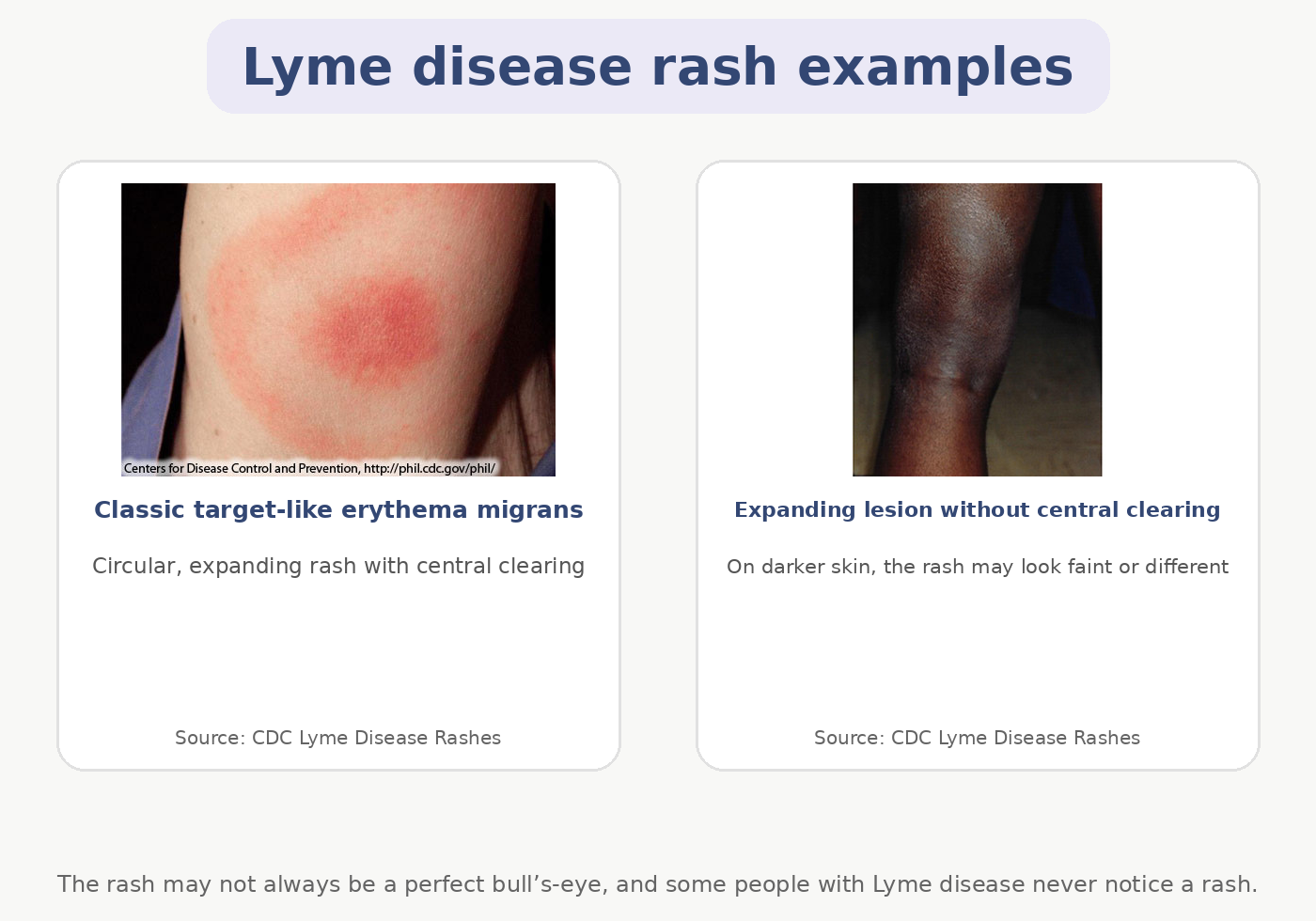
Figure 5. Lyme disease rash examples from CDC materials. The rash is not always a textbook bull’s-eye.
Don’t wait for a rash to look perfect. Be aware, a rash that gets larger, with any accompanying fevers, headaches, facial weakness, heart palpitations, fainting, or “weird” symptoms needs a check-up.
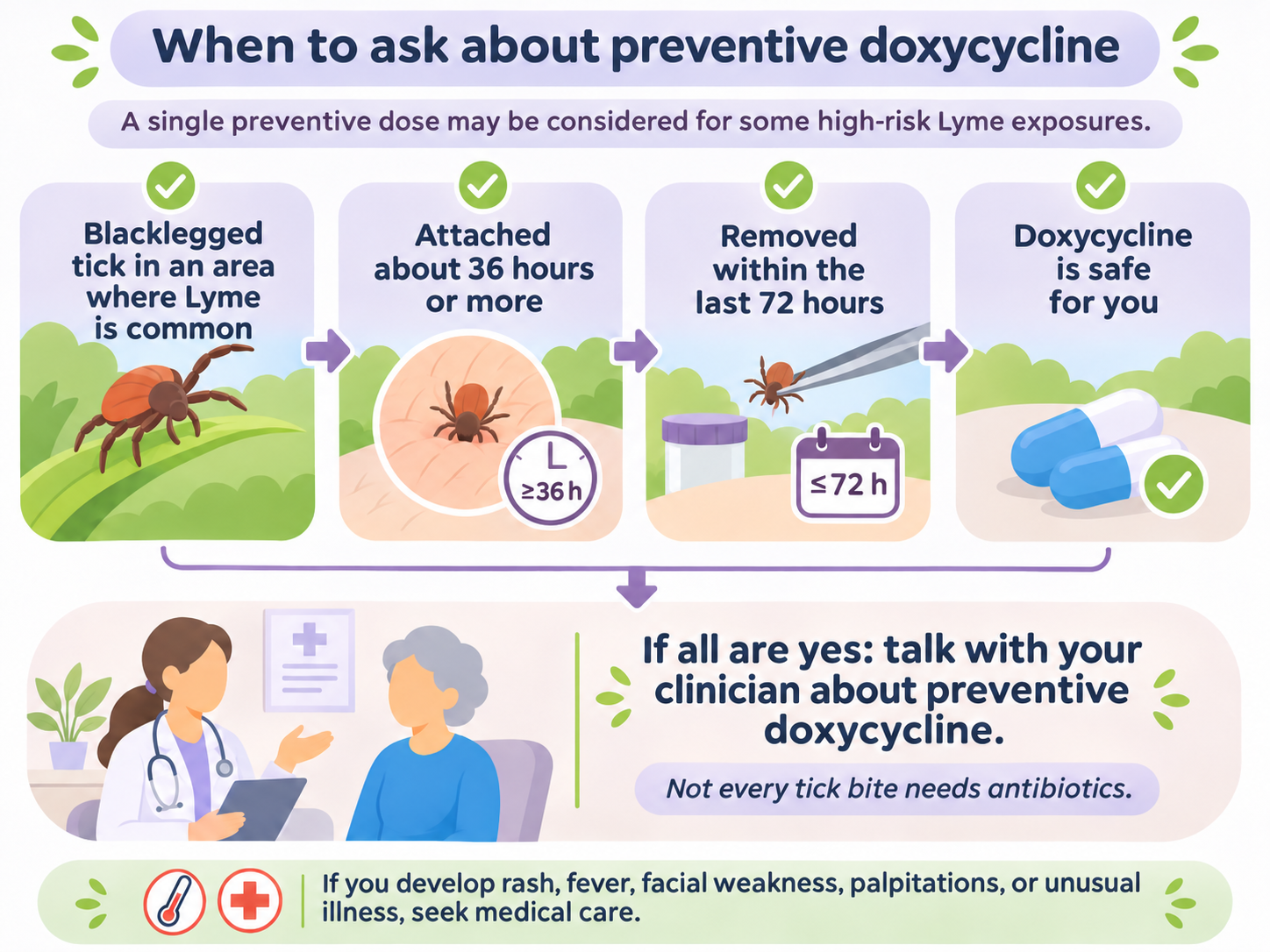
Figure 6. Quick checklist for when to ask a clinician about preventive doxycycline after a high-risk Lyme exposure.
Do I Need Antibiotics After Every Bite?
No, but work with your doctor to decide.
The current approach is more selective to make sure we don’t breed a superbug.
For high-risk Lyme exposures, a single dose of doxycycline usually does the trick (particularly with known blacklegged tick where Lyme disease is common). If the tick was attached for about 36 hours or more, removed within the last 72 hours, and if doxycycline is safe for the patient, most times the benefits outweigh the risks of starting an antibiotic [8,9]. At the time of writing this, prophylaxis is not routinely recommended for preventing other tickborne diseases [8,12].
Again, definitely work with your doctor to decide what is best for you!
Found a Tick? Remove It Correctly — Do Not Wait
Don’t squeeze it, don’t crush it, don’t burn it or cover it with petroleum jelly, or wait for it to “let go.” Please, this is the one thing you need to do correctly!
Use fine-tipped tweezers, grasp as close to your skin, possible and include the entirety of the head and pull straight upward with steady pressure. If it’s gonna take some skin with it, fine. Afterward, clean the skin and wash your hands with soap and water [9].
DON’T PUT NEOSPORIN AND OTHER ANTIBIOTIC CREAMS ON IT. It will often just irritate it for no good reason. In fact, stop doing that entirely for all wounds. It’s often just unnecessary.
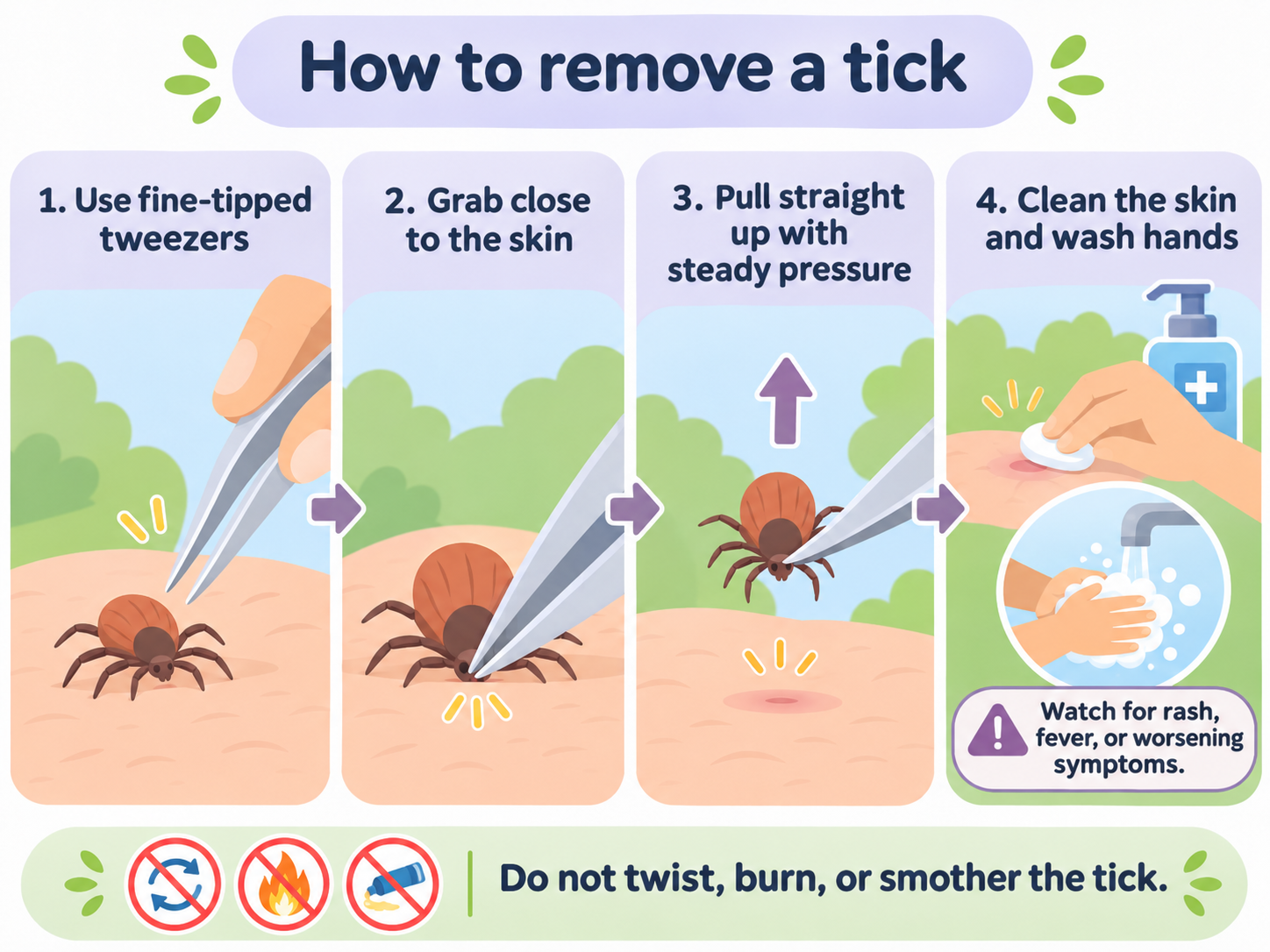
Figure 7. Simple tick-removal steps for patients and families.
Here is a good video from the Mayo Clinic.
Best Practice Is Minimize Exposure
Use EPA-registered skin repellents such as DEET, picaridin, IR3535, oil of lemon eucalyptus (OLE/PMD), or 2-undecanone according to product labeling. Do not use OLE/PMD products on children under age 3 [10].
Consider permethrin-treated boots, socks, pants, or outdoor gear. Do not apply permethrin directly to skin [10].
Stay to the center of the trails when possible and limit contact with tall grass and leaf clusters.
After being outdoors, check hair and scalp, ears, armpits, waistline, belly button, groin, behind the knees, and other skin folds. Make sure to actually run your hand along it and feel for bumps.
Check your pets, coats, backpacks, and bedding. If your pet sleeps with you, check both of you in the morning the next day.
Shower after coming indoors. If you can, it helps to dry clothing on high heat for at least 10 minutes [10].
As with all things health, prevention is gold. Remember the risks here. What’s worse? Using something like DEET or the increasing possibility of tickborne disease? Realistically, for most adults I’d take exposure to a repellent over tick exposure every day of the week.

A nice fall-winter hike with my silly dog, Uni
Enjoy the Outdoors!
Don’t be afraid of the outdoors.
Also - as a separate side note - think of how DPC can be very helpful in this scenario (aka my practice). If you were a member (or member of any DPC) - if you showed me a tick and we were both concerned, a simple phone call or text would suffice. For many fee-for-service practices, that means scheduling an appointment, waiting/etc. delaying diagnosis and potential removal and potential loss to care. Time matters here and it’s days to weeks (or even months) vs seconds! That’s the difference between personalized care vs not. We all have lives to live here!
So in summary. Check yourself and your pets frequently, remove them promptly and properly, and be aware!
References
Marx GE, Spillane M, Beck A, et al. Emergency Department Visits for Tick Bites—United States, January 2017–December 2019. MMWR Morb Mortal Wkly Rep. 2021;70:612–616. https://www.cdc.gov/mmwr/volumes/70/wr/mm7017a2.htm
CDC. Where Ticks Live. Updated July 30, 2025. https://www.cdc.gov/ticks/about/where-ticks-live.html
CDC. Transmission and Epidemiology: Anaplasmosis. Updated July 19, 2024. https://www.cdc.gov/anaplasmosis/hcp/transmission/index.html
Schwartz AM, Kugeler KJ, et al. Surveillance for Lyme Disease After Implementation of a Revised Case Definition—United States, 2022. MMWR. 2024;73:109–114. https://www.cdc.gov/mmwr/volumes/73/wr/mm7306a1.htm
Earley AR, Kugeler KJ, Mead PS, Hinckley AF. Frequency of tick bites and associated care-seeking behaviors in the United States. Ticks Tick Borne Dis. 2024;15(6):102416. https://pubmed.ncbi.nlm.nih.gov/39615314/
CDC. Tickborne Diseases of the United States: A Reference Manual for Healthcare Providers, Sixth Edition. 2022. https://www.cdc.gov/ticks/media/pdfs/2025/03/tickborne-diseases-manual-508.pdf
CDC. Signs and Symptoms of Untreated Lyme Disease. https://www.cdc.gov/lyme/signs-symptoms/index.html
Lantos PM, Rumbaugh J, Bockenstedt LK, et al. Clinical Practice Guidelines by the IDSA, AAN, and ACR: Prevention, Diagnosis, and Treatment of Lyme Disease. Clin Infect Dis. 2021;72:e1–e48. https://www.idsociety.org/practice-guideline/lyme-disease/
CDC. What to Do After a Tick Bite. https://www.cdc.gov/ticks/after-a-tick-bite/index.html
CDC. Preventing Tick Bites. https://www.cdc.gov/ticks/prevention/
CDC. Lyme Disease Rashes. Updated May 15, 2024. https://www.cdc.gov/lyme/signs-symptoms/lyme-disease-rashes.html
CDC Clinician Decision Aid: Lyme Disease Prophylaxis After Tick Bite. https://www.cdc.gov/lyme/media/pdfs/lyme-disease-prophylaxis-after-tick-bite-poster.pdf