Protect Your Bacteria: You Are Your Microbiome
Your body is home to trillions of microorganisms. They influence everything from digestion and immunity to inflammation and disease. Treat them well and they’ll treat you well!
Key Objectives
Understand what is actually “outside” vs “inside” your body, why the skin and GI tract are actually outside, exposed surfaces—and why bacteria belong there.
Explain how normal microorganisms compete with harmful ones and how antibiotics, sanitation, vaccinations, can influence the balance of your microbiome.
Recognize how age, hormones, early life, and diet influence your bacteria and how you can use these to change your health.
Understand how microbes exchange genes and why certain infections and microbial byproducts can influence cancer and infections.
Apply practical, evidence-based habits to support your microbiome without avoiding necessary medical care.
You Under The Microscope, Inside and Out
Let’s frame your body a little differently than usual.
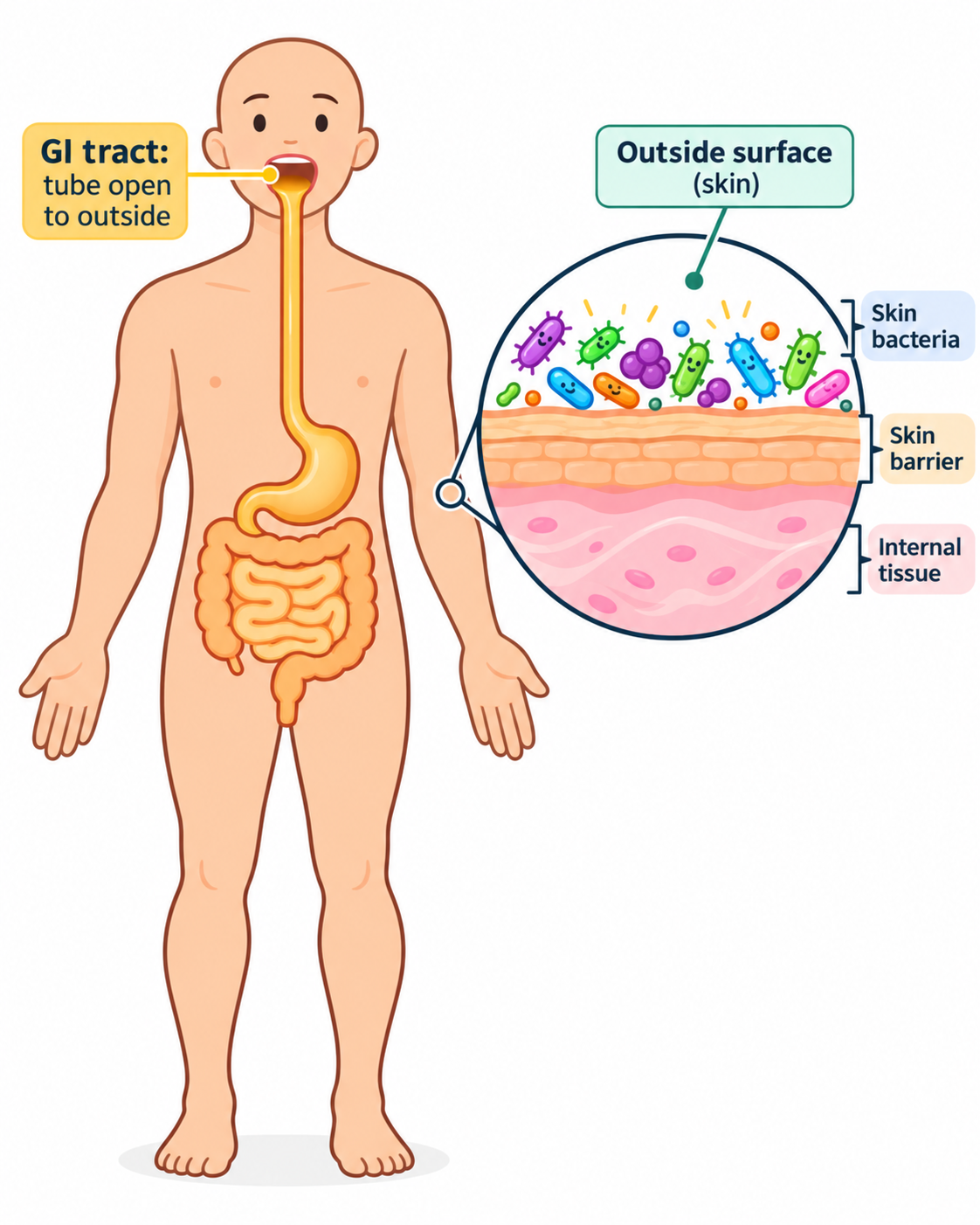
Imagine dividing your body into two parts: the inside and the outside. You have your skin, which separates your internal tissues from the outside world. But think about this: when you put your finger inside your mouth, you're technically still touching a surface exposed to the outside world, right? The same goes for your digestive tract, from your mouth all the way to your intestines and out. That’s actually outside of you, rather than inside.
Now imagine getting a cut. It’s a deep one, you can even see the muscles… When bacteria penetrate your skin and enter the underlying tissue, they've crossed a protective barrier. That barrier is important.
Nearly every surface exposed to the outside world is home to microorganisms. Your skin, mouth, intestines, and reproductive tract host entire communities of these bacteria, fungi, and viruses. Together, these microorganisms and their surrounding environment make up what we call the “microbiome.”
Whether it was from a handshake 10 minutes ago, or the ones that have lived alongside you for years, acquired through birth, breastfeeding, food, family members, and your environment. These are your microbiome and they help digest food, fight off other “bad” bacteria, regulate your immune system, and protect you day to day.
They're part of what makes you, you.
Your Bacteria Are Defending Their Territory
It’s a crowded neighborhood. Every nook and cranny, bacteria are hidden away all trying to do what they do best: eat and survive. So, different bacteria compete for nutrients, interact with their neighbors, and adapt to their environment (which is technically you!). Some even produce substances that prevent potentially harmful microorganisms from growing. These can be good for you, or bad!
This is called colonization resistance: your existing microorganisms help protect their territory against unwelcome newcomers. So when we talk about antibiotics, unfortunately that’s where things become difficult.
You get sick. A doctor gives you an antibiotic, and bam. You’ve disrupted part of the neighborhood. Some antibiotics affect a broad range of bacteria, while others are more targeted. You've removed many of its occupants, leaving nutrients and space available for whatever survives or arrives next. Technically, many antibiotics are actually substances that other microorganisms make to kill other bacteria. (e.g. the antibiotic penicillin coming from Penicillium rubens molds to kill some bacteria. See how it’s like a turf war?
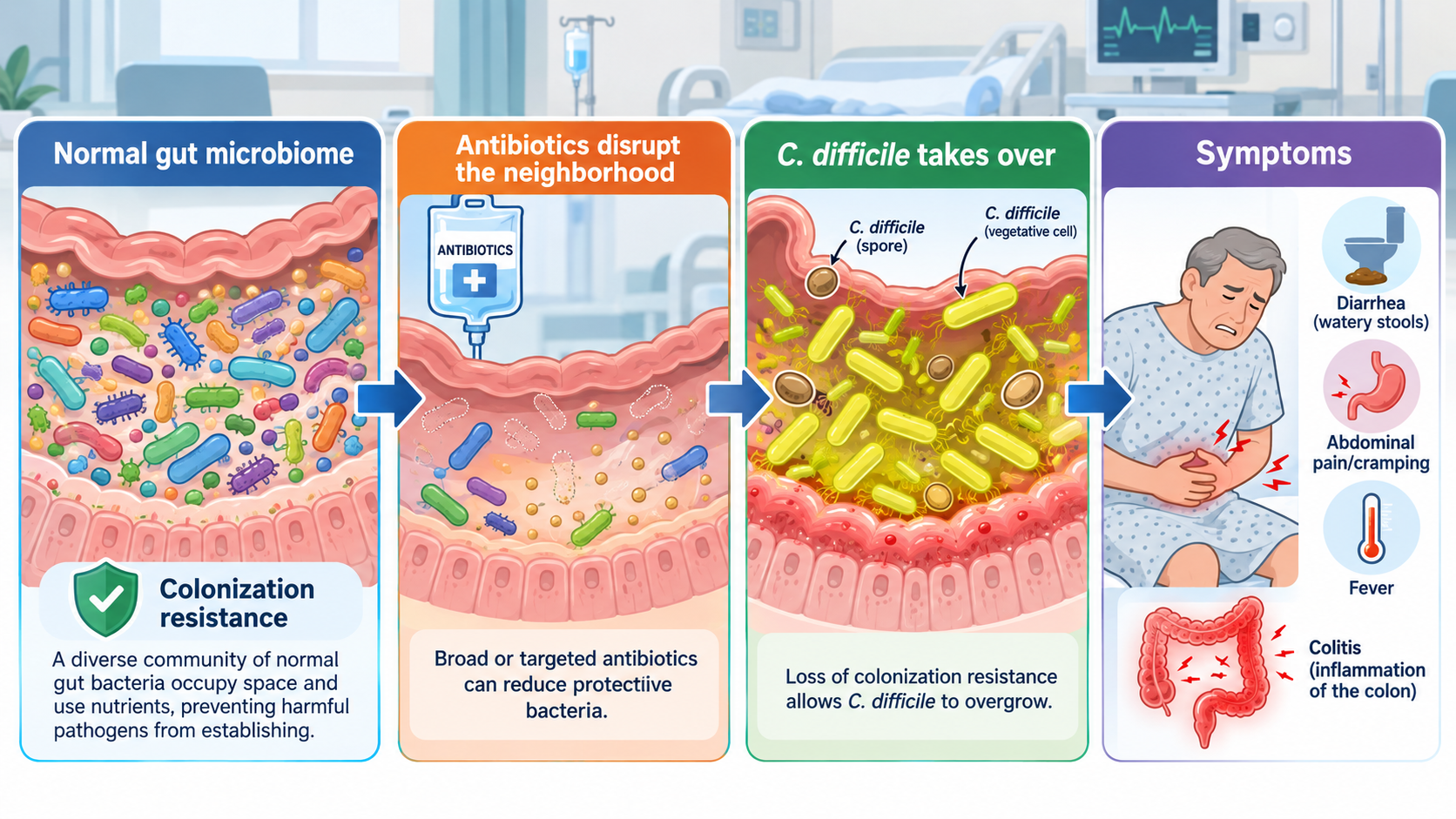
One of the clearest examples is Clostridioides difficile (C. difficile), a bacterium that can cause severe diarrhea and inflammation of the colon. Antibiotic exposure can disrupt the protective intestinal bacteria, allowing C. difficile to take over. And what do you know… you usually get this infection after being in a hospital taking antibiotics! The main issue is that antibiotics disrupt colonization resistance; recurrent infection is not simply a case of the bacterium becoming resistant to all antibiotics.
This is one of the most fascinating videos that I ran into during my college days when I obtained a degree in microbiology. It vividly demonstrates how mutations and natural selection allow bacteria to evolve resistance across antibiotic concentrations. Imagine - you or the population - as the grid in this video. (Baym et al., Science (2016).¹
So, what can we do?
In a landmark randomized controlled trial, researchers treated patients with recurrent C. difficile infection by restoring their intestinal microbiome using stool from healthy donors.
After one infusion, 81% experienced resolution without relapse, compared with just 31% receiving standard vancomycin (antibiotic) treatment alone.² I personally witnessed several of these cases during my residency and the result was pretty remarkable. The idea of restoring a microbial community like sticking a USB drive into your computer and reinstalling all your programs, is very wild!
No. This doesn’t mean go out there and eat feces. Please don’t. That’s a terrible idea. Dietary changes, including eating more fiber (prebiotic), sometimes probiotics, can influence the microbiome so you can use this principle to change your gut. Remember, this can harm just as much as help! This also doesn't mean antibiotics are bad. They're among the greatest medical discoveries in history and save countless lives each year. But they also affect the bacteria that help protect us.
The goal isn't to avoid antibiotics. It's to use them appropriately rather than treating all bacteria as enemies, or even worse, treating all infections as bacteria when most of the time they are not. Antibiotics do not treat viral infections such as colds and influenza, and many common respiratory infections are viral meaning they do nothing and may prolong infection.
When Your Own Bacteria Become the Problem, Fix The Environment
Let’s talk about “where” next. Everyone is worried about picking up bacteria from someone. But, they don't necessarily have to come from someone else to cause an infection.
Sometimes, they’re simply in the wrong place. We all know this one: Escherichia coli, or E. coli. Many strains live normally in our intestines without causing problems. But when certain strains travel from the intestines or perineal region (groin) into the urinary tract, they can cause urinary tract infections (UTIs). You can imagine, someone wiping after using the restroom from back toward front or another example, a person with incontinence where it is easier for bacteria to migrate around.
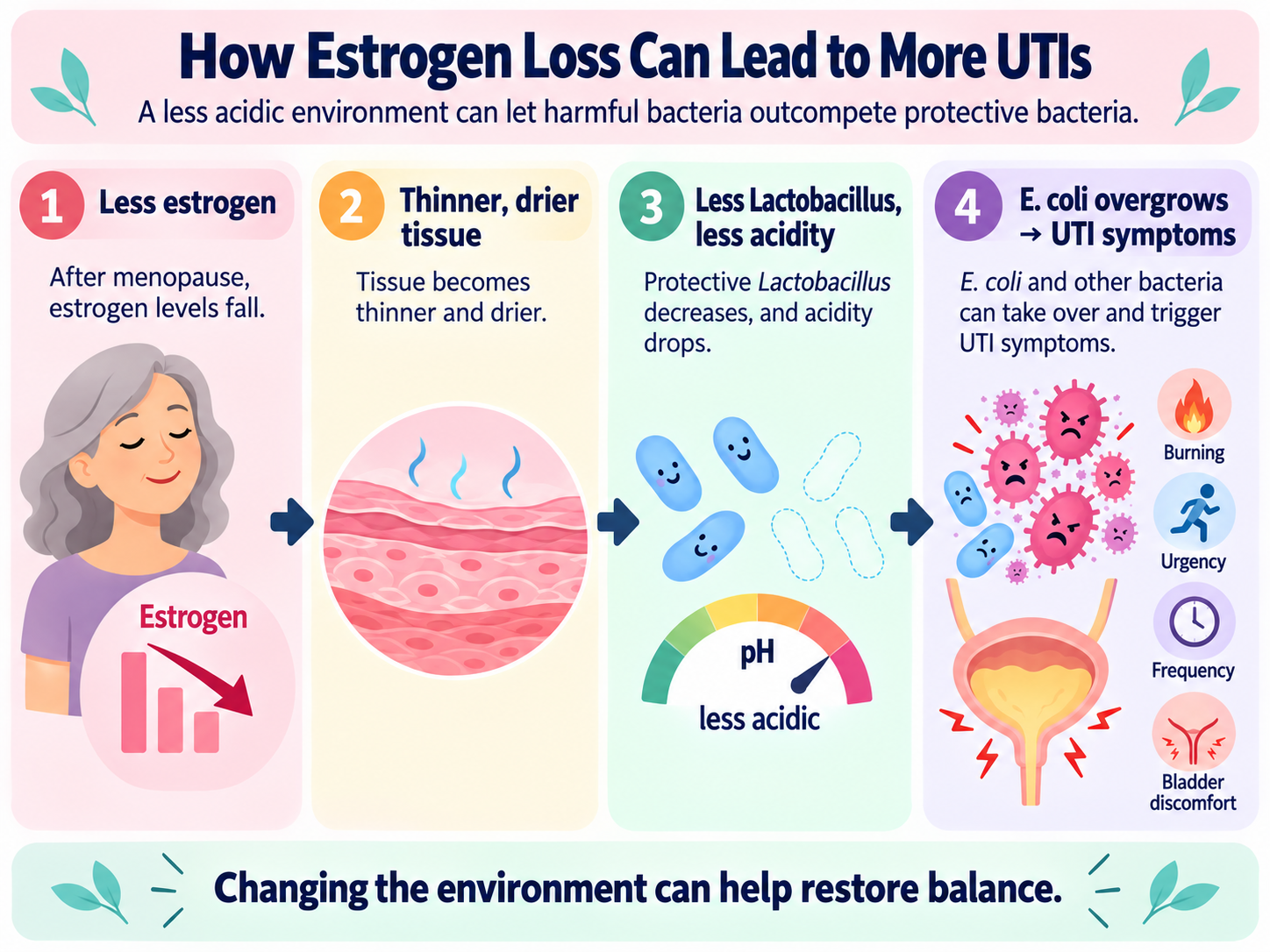
The same principle helps explain why women become more susceptible to recurrent UTIs after menopause.
As estrogen levels decline, the vaginal and urinary tissues may become thinner and drier. The vaginal environment becomes less favorable to the protective Lactobacillus bacteria, which help maintain this acidity and discourage the growth of certain harmful organisms. I know it’s weird to say - but it’s like making pickles: The acidity and salt don’t allow for “bad bacteria” to grow. In this example, reduced estrogen can shift the vaginal environment to less acidity and change the microbial communities, increasing susceptibility to recurrent UTIs.
In a randomized controlled trial, researchers found that postmenopausal women receiving vaginal estrogen experienced significantly fewer UTIs than those receiving placebo (fake medication). Vaginal lactobacilli also reappeared in many treated women.³ This is the reason why I prescribe estrogen when I can. When I practiced rurally, I was surprised to see so few physicians doing so. Imagine having more than 8 UTIs a year and being told it was normal as you age - ridiculous! Many of these women after a few months stopped having infections.
So sometimes, preventing infections isn't just about killing bacteria. It's about understanding why the environment allowed them to become a problem. So change the environment (aka yourself).
Your Microbiome Starts Developing at Birth and Changes With You
Our relationship with bacteria begins remarkably early in life. During and after birth, infants acquire microorganisms from their mothers and surroundings. Breastfeeding further influences which microorganisms thrive.
So let’s talk about breast milk: it contains complex carbohydrates (sugars) called human milk oligosaccharides that babies cannot directly digest! So why do we make it?
Because certain intestinal bacteria, especially Bifidobacterium, can consume them. In other words, breast milk doesn't just feed the baby, it also helps feed the baby's bacteria.⁴ These early microbial communities interact with the developing immune system and may influence susceptibility to certain diseases, like skin issues.
A systematic review of randomized trials found that some probiotic interventions during pregnancy and infancy were associated with reduced childhood eczema risk, although the evidence was uncertain and benefits did not consistently extend to other allergies.⁵ The broader idea here is that our immune system doesn't develop in isolation. It develops in constant communication with the microorganisms around us. And as we grow, it changes and this shapes our health.
Bacteria Share Genetic Information
Humans primarily pass genetic information vertically, from parents to children. Hair color, traits, you know.
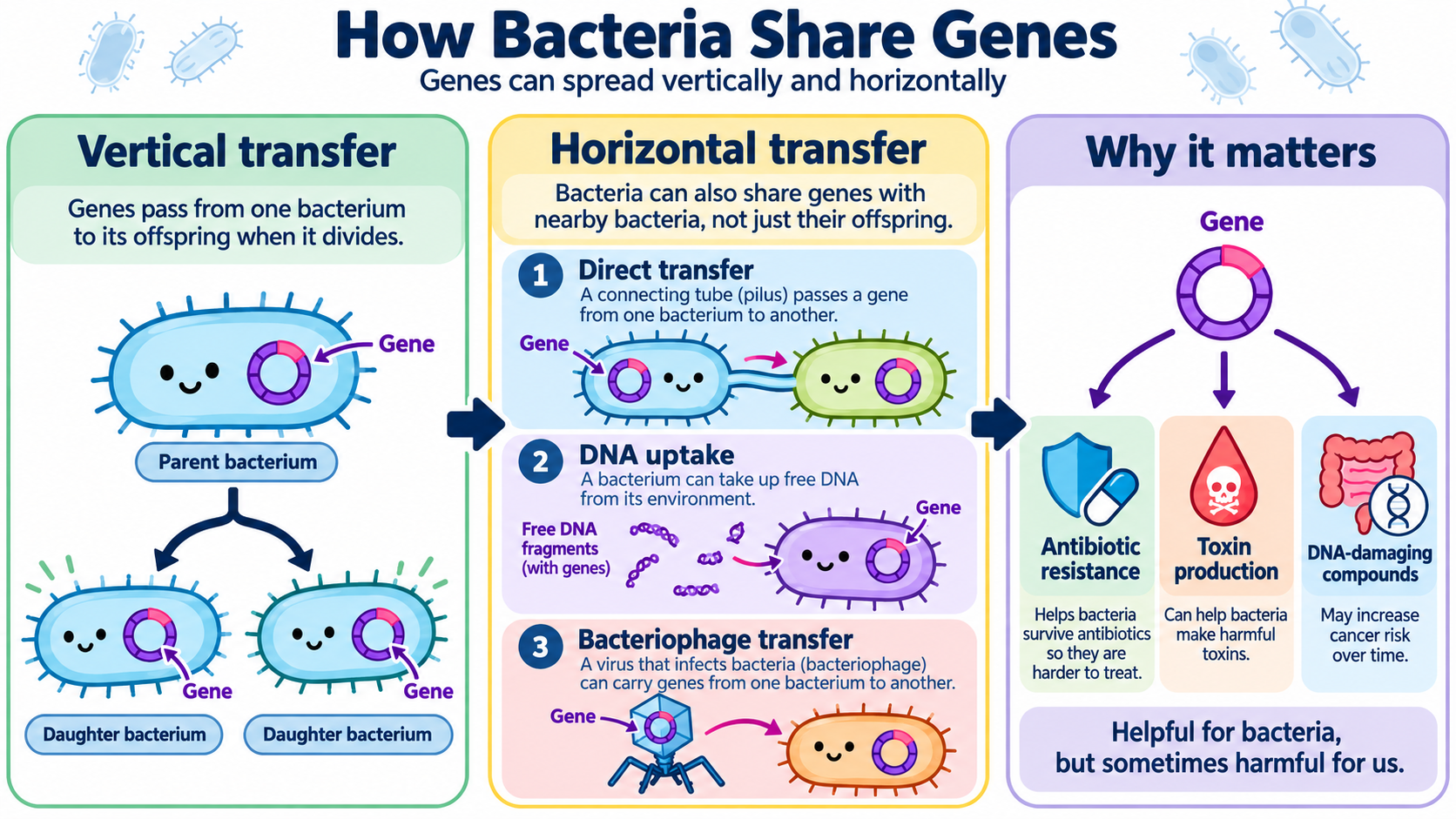
Bacteria do that as well. But these can be instructions for toxins, cancer-causing compounds, or good things too. Bacteria can pass genes to offspring too, but it can also exchange genetic material with their neighbors through a process called horizontal gene transfer. Imagine one bacterium acquiring a gene that makes it resistant to an antibiotic. Under the right circumstances, that gene can spread to other bacteria. It’s like passing a baton to another runner. It can even pass on genes in other ways too. For example, direct DNA exchange, uptake of DNA from the environment (literally just eating it from the environment), or by viruses called bacteriophages that transfer genetic material between bacteria.⁶
Why is this important? Because some transferred genes can also encode and make toxins or other traits that make bacteria more dangerous to us.
This is one reason antibiotic resistance is so concerning but also cancer. We're not just selecting for bacteria that survive treatment. Sometimes, the genetic tools that allow them to survive can spread throughout bacterial communities.
And these bacterial traits can have consequences far beyond just infections.
Can Bacteria Cause Cancer?
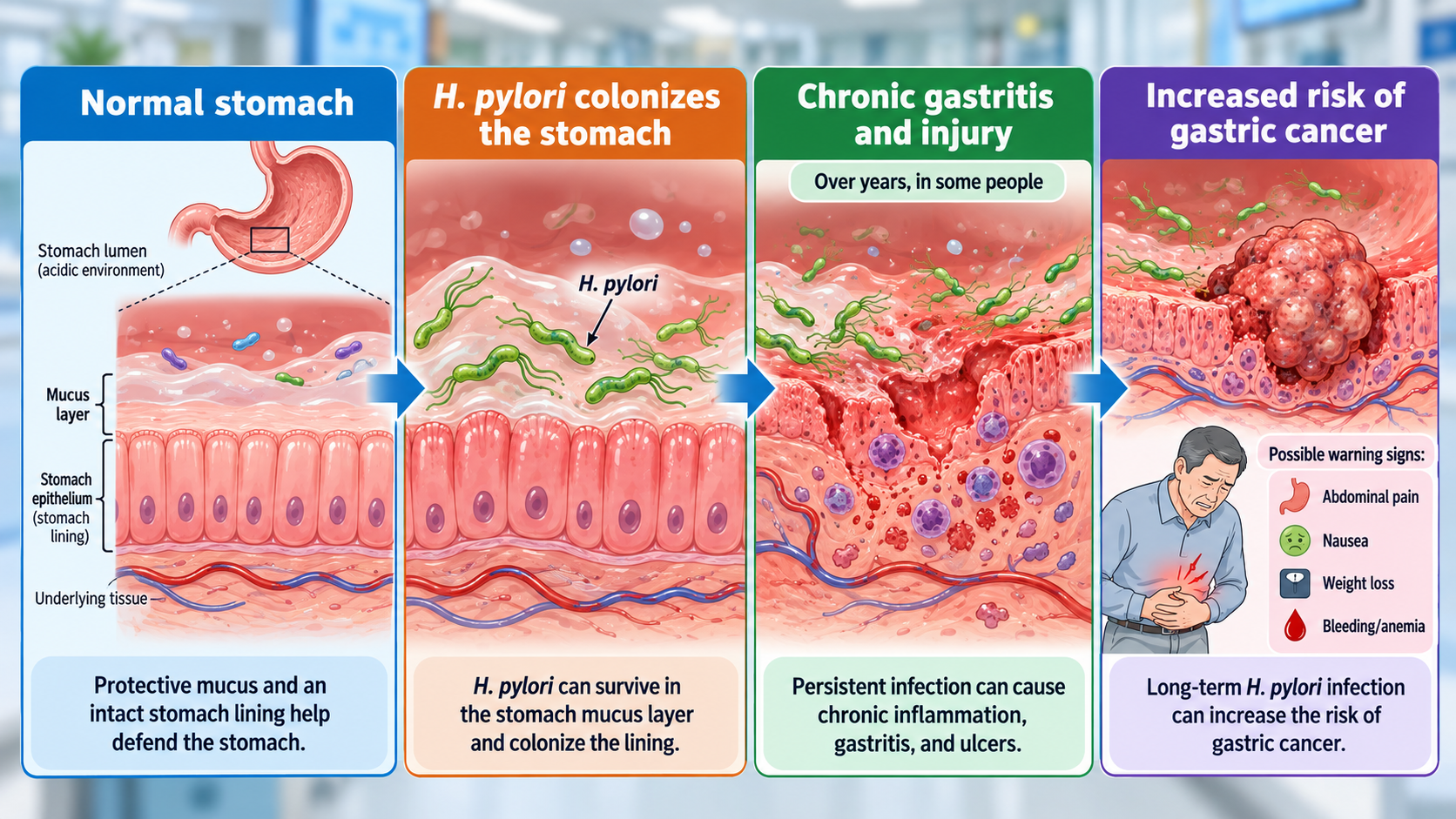
You may have heard of Helicobacter pylori, a bacterium associated with stomach ulcers.
For decades, ulcers were commonly blamed on stress and stomach acid. Then two Australian researchers, Barry Marshall and Robin Warren, discovered that H. pylori was actually responsible for many cases.
Marshall even famously drank a culture containing the bacterium to demonstrate that it could cause gastritis.
Their work eventually earned them the Nobel Prize. Because, now we know that H. pylori also increases the risk of stomach cancer.
In a randomized controlled trial involving people with H. pylori infection and a family history of gastric cancer, researchers found that treating the infection reduced gastric cancer occurrence: 1.2% in the treatment group versus 2.7% in the placebo group over a median 9.2 years.⁷
Now apply that to a more modern example:
I personally am very concerned about the “uptick in colon cancer” everyone’s been talking about in recent years. Researchers have recently identified a possible microbial connection to the increasing incidence of colorectal cancer in younger adults.
Certain strains of E. coli produce a DNA-damaging substance called colibactin.
In a 2025 study published in Nature, researchers analyzed 981 colorectal cancer genomes and discovered that mutation patterns linked to colibactin were 3.3 times more common in patients diagnosed before age 40 than those diagnosed after age 70.⁸
Is this proof bacteria causes young-onset colorectal cancer? No. But what it does suggest is that particular bacterial exposures may contribute to cancer development, potentially years before cancer is diagnosed. The important distinction here is that some microorganisms support our health, while others can contribute to serious disease. This is another reason why I think of food and the microbiome as part of a bigger picture.
You Are What You Eat, and So Are Your Bacteria. Don’t Play Favorites.
Imagine putting two types of bacteria in a petri dish. Bacteria A thrives on one type of food, while Bacteria B thrives on another.
If you continuously provide nutrients favoring Bacteria A, you change the environment and now Bacteria A outgrows Bacteria B.
This is a video that lets you see bacteria growing on a petri dish. As an aside, this is one of my favorites, Bacillus cereus. It is responsible for “fried rice syndrome” or “reheated rice syndrome,” when people get food poisoning from leftover rice. I vividly remember as a child working with my father at our Chinese restaurant and making absolutely sure we needed to follow correct food safety rules. At the time, I did not know about heat-resistant bacterial spores surviving cooking and multiplying when cooked rice is cooled too slowly or held for too long at unsafe temperatures. Reheating may not destroy the heat-stable toxin once it has formed.
Your body (in this case intestine) is the petri dish. When you eat fiber-rich foods such as vegetables, fruits, beans, and whole grains, some of that fiber reaches your colon largely undigested.
Certain intestinal bacteria ferment these fibers, producing short-chain fatty acids that help support intestinal function and influence immunity.
Essentially, you're feeding the bacteria that help maintain your intestinal environment.
In a randomized dietary study published in Cell, researchers compared a high-fiber diet with a diet rich in fermented foods. The high-fiber diet increased the microbiome's capacity to break down complex carbohydrates, while the fermented-food diet increased microbial diversity and reduced several inflammatory markers.⁹
This doesn't mean more fiber or more fermented food automatically fixes every microbiome problem. Different people respond differently, but it demonstrates that what we eat can influence the microorganisms living in our gut which change our health.
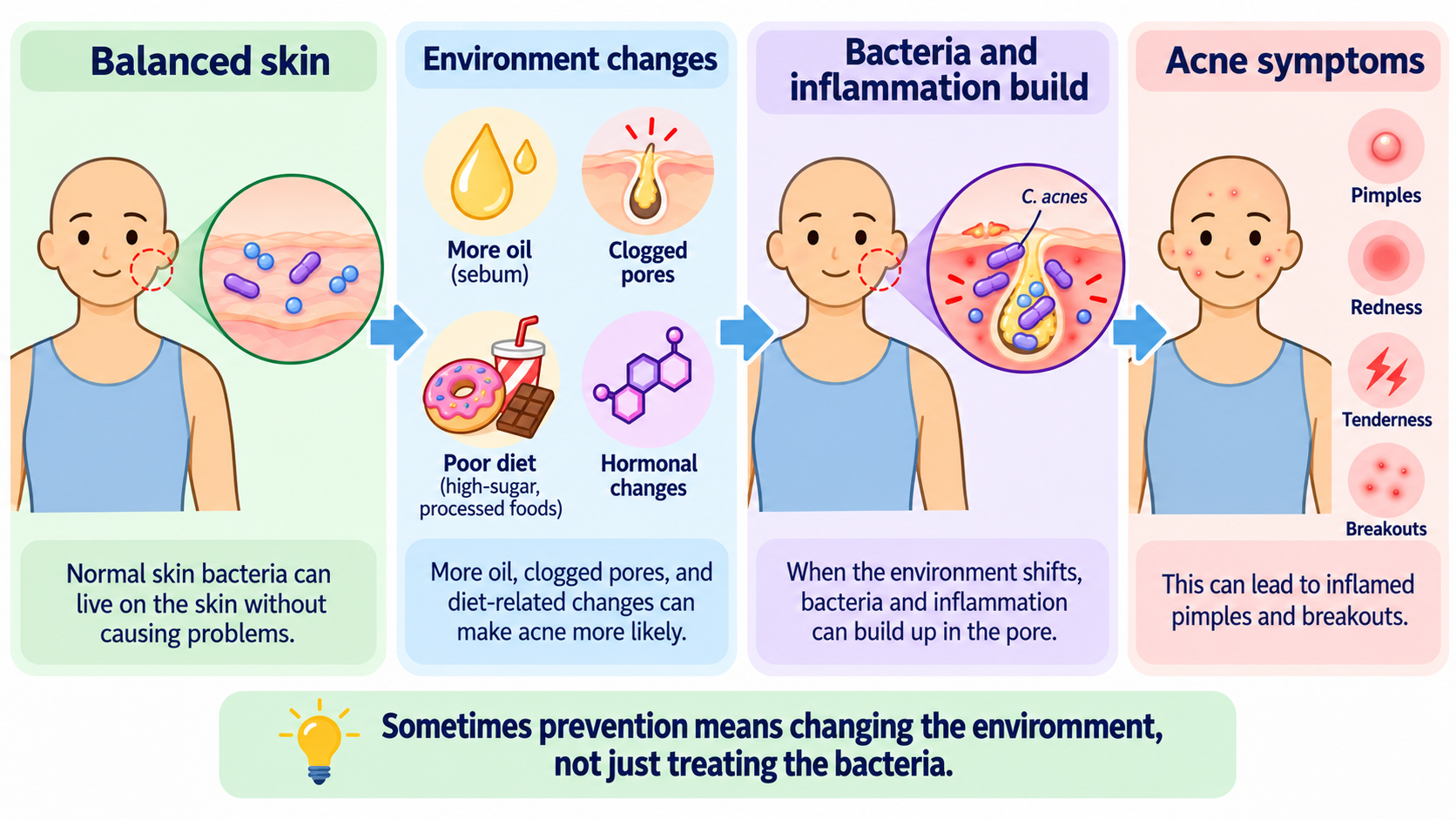
What about acne?
Contrary to popular belief, acne isn't simply caused by foreign bacteria landing on your face. Cutibacterium acnes normally live on healthy skin anyway. But acne involves hormones, sebum (oil) production, inflammation, and differences in bacterial activity.
Diet can influence this. In a randomized trial, young men following a low-glycemic-load diet experienced greater reductions in acne lesions than those following a comparison diet.¹⁰
This doesn’t mean sugar directly feeds acne-causing bacteria, or that every processed or fatty food provokes acne. The strongest evidence here concerns dietary glycemic load. In some patients, changing the diet helps acne improve.
Even our mouths are connected to this larger system. Periodontal disease is associated with atherosclerotic cardiovascular disease. We can even see that bacteria forms biofilms in our vessels and contributes to inflammation and atherosclerotic plaques leading to heart attacks and strokes. Viridans streptococci (from the mouth) colonized the core of the atheroma as a biofilm and evaded the defenses (macrophages) of the subject's immune system.¹¹ (Biofilms are like the white gunk stuck on our teeth or the red color on unclean sinks and bathtubs).
Our bodies aren't collections of isolated organs. They're interconnected environments influenced by the microorganisms living within them and they help regulate our inflammation.
Finding the Right Balance
The relationship between our bodies and microorganisms is a form of “homeostasis” or balance.
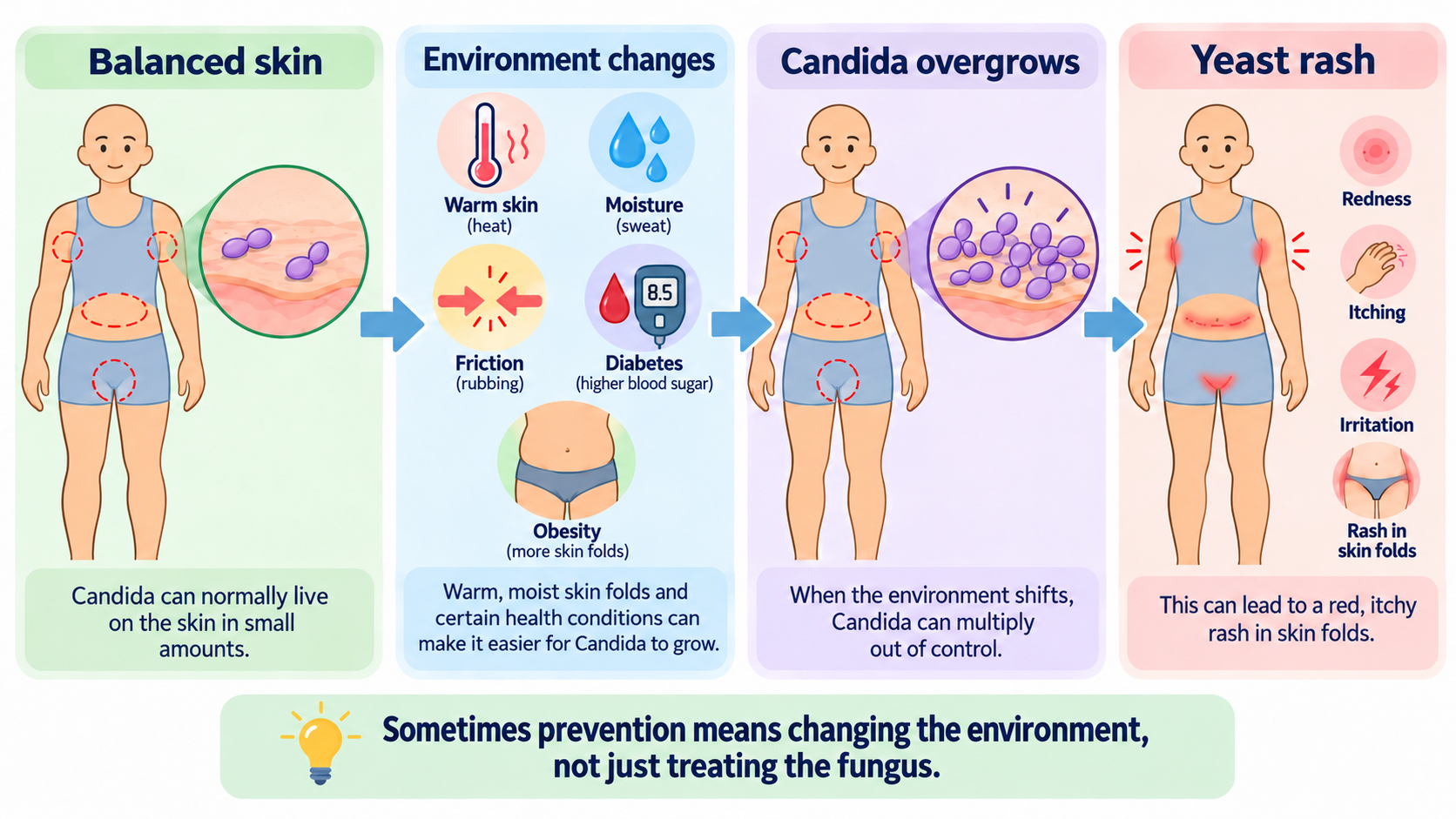
When that relationship becomes disrupted, we sometimes call it dysbiosis.
Dysbiosis has been associated with conditions including inflammatory bowel disease, bacterial vaginosis, and certain metabolic disorders.
But an altered microbiome doesn't automatically mean it caused the disease. Sometimes it’s the symptom.
Think about this example:
Candida, a fungus. It’s normal on the skin. But when someone has diabetes and obesity, it sets up the perfect environment for it to go rampant. Warm, moist skin folds, friction, diabetes, and other factors can increase the risk of Candida overgrowth and a rash, often in the armpits, under the breasts, or in the groin.
So What Can We Do For A Healthy Microbiome?
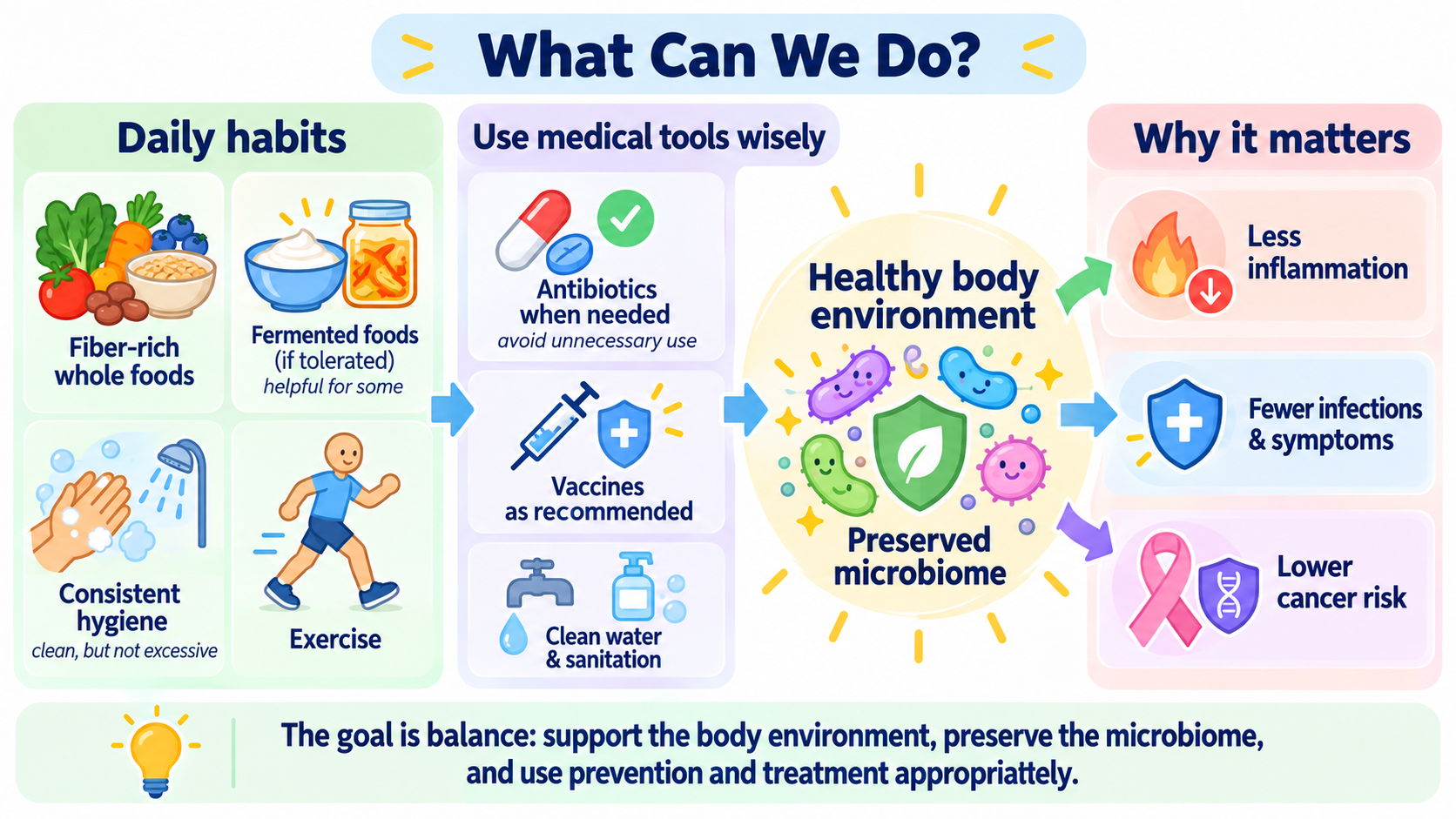
Fundamentals: eat a variety of fiber-rich foods, including minimally processed whole foods. Fermented foods can be helpful for some people, but salt content varies, and acidic or fermented foods may worsen reflux symptoms for certain individuals. Maintain consistent hygiene but not excessive. Avoid unnecessary antibiotics. Exercise!¹² All of these interventions influence our microbiome.
Frankly, the idea of “modern medicine” being different from “traditional medicine” is absurd. It’s the same as it always has been in history. Public health advances—including clean water, sanitation, vaccination, and later antibiotics—contributed greatly to declining infectious mortality and longer lives.
Sanitation - People forget about the tragedies of World War I. Not only was it an arms race, but it was also a battle against infections and poor sanitation. After the acceptance of Germ Theory, by 1914 and throughout the war, soap and hygiene became increasingly important for keeping soldiers clean and reducing infections in the trenches.¹³ The oil savers you see in older kitchens and restaurants were used to collect fat and meat drippings, which could be processed into soap. In fact, waste fats collected from British army camps provided enough material to make soap for the Army, Navy, and government departments, with some left over for public use.¹⁴
Antibiotics - Ancient Egyptian medical traditions included use of honey and, according to historical accounts, moldy bread applied to wounds. We would later discover the mold produced penicillin (obviously this was the best they could do back then). The discovery, purification, and mass production of penicillin came much later.¹⁵
Vaccinations - Edward Jenner pioneered vaccination against smallpox; Louis Pasteur later helped develop vaccines against diseases including anthrax and rabies. In Pasteur’s famous 1881 Pouilly-le-Fort demonstration, vaccinated livestock were protected against an anthrax challenge, while most unvaccinated comparison animals died.¹⁶
The lesson here is: there needs to be a balance and history repeats. It’s always been about how we can maintain what microbiome we have and not overdo it. The goal is appropriate prevention and treatment—not automatically doing more or less of everything.
Taking a bunch of unneeded antibiotics - not a good idea. Take antibiotics only when needed - perfect.
Never clean yourself? Bad idea. Clean yourself consistently but not excessively for proper hygiene, great.
Avoid all vaccines? Not a good idea. Follow evidence-based vaccination recommendations; certain vaccines prevent infections, and HPV and hepatitis B vaccines can also reduce risks of cancers.
We Are an Ecosystem
So I leave you with this. Think about yourself beyond just an individual organism.
The better you can understand that you are a vehicle to all the trillions of microorganisms riding along, the better you’ll be able to take care of yourself, the ecosystem.
The next time you drink the sugary, liquid beverages, think of what happens when you dump it into a petri dish vs slow droplets over time. Now think of how that compares to dumping it into your gut. These guys are your friends - they help digest food, regulate our immune system, and protect against harmful invaders.
Keep the bacteria where they need to be and as close to the original as possible. You can influence this by changing the environment (yourself) using food, medications, exercise, stress, daily habits, interacting with others… The microbes share genes, but whether they cause disease depends on the organism, its location, your immune defenses, and the surrounding environment. Disease is “what is not supposed to be there at the wrong time.”
The foundation of good health isn't a sterile body.
Good health means maintaining what you have and slowly improving it with time.
Protect your bacteria when you can. Treat the harmful ones when you must.
Protecting your microbiome means preserving your health.
References
1. Baym M, et al. Spatiotemporal microbial evolution on antibiotic landscapes. Science. 2016;353:1147–1151. https://pubmed.ncbi.nlm.nih.gov/27609891/
2. van Nood E, et al. Duodenal infusion of donor feces for recurrent Clostridium difficile. N Engl J Med. 2013;368:407–415. https://pubmed.ncbi.nlm.nih.gov/23323867/
3. Raz R, Stamm WE. A controlled trial of intravaginal estriol in postmenopausal women with recurrent urinary tract infections. N Engl J Med. 1993;329:753–756. https://pubmed.ncbi.nlm.nih.gov/8350884/
4. Lordan C, et al. Linking human milk oligosaccharide metabolism and early life gut microbiota: bifidobacteria and beyond. Microbiol Mol Biol Rev. 2024;88:e0009423. https://pubmed.ncbi.nlm.nih.gov/38206006/
5. Cuello-Garcia CA, et al. Probiotics for the prevention of allergy: a systematic review and meta-analysis of randomized controlled trials. J Allergy Clin Immunol. 2015;136:952–961. https://pubmed.ncbi.nlm.nih.gov/26044853/
6. Lerminiaux NA, Cameron ADS. Horizontal transfer of antibiotic resistance genes in clinical environments. Can J Microbiol. 2019;65:34–44. https://pubmed.ncbi.nlm.nih.gov/30248271/
7. Choi IJ, et al. Family history of gastric cancer and Helicobacter pylori treatment. N Engl J Med. 2020;382:427–436. https://pubmed.ncbi.nlm.nih.gov/31995688/
8. Díaz-Gay M, et al. Geographic and age variations in mutational processes in colorectal cancer. Nature. 2025. https://pubmed.ncbi.nlm.nih.gov/40267983/
9. Wastyk HC, et al. Gut-microbiota-targeted diets modulate human immune status. Cell. 2021;184:4137–4153.e14. https://pubmed.ncbi.nlm.nih.gov/34256014/
10. Smith RN, et al. A low-glycemic-load diet improves symptoms in acne vulgaris patients: a randomized controlled trial. Am J Clin Nutr. 2007;86:107–115. https://pubmed.ncbi.nlm.nih.gov/17616769/
11. Karhunen PJ, et al. Viridans streptococcal biofilm evades immune detection and contributes to inflammation and rupture of atherosclerotic plaques. J Am Heart Assoc. 2025;14:e041521. https://pmc.ncbi.nlm.nih.gov/articles/PMC12533616/
12. Zhong F, et al. Effect of an 8-week exercise training on gut microbiota in physically inactive older women. Int J Sports Med. 2021;42:610–623. https://pubmed.ncbi.nlm.nih.gov/33321523/
13. McCulloch CC. Sanitation in the trenches. JAMA. 1917;69(3):183–185. doi:10.1001/jama.1917.02590300023007. https://jamanetwork.com/journals/jama/article-abstract/441813
14. House of Commons. National expenditure (Committee’s recommendations). Hansard. January 14, 1918. https://api.parliament.uk/historic-hansard/written-answers/1918/jan/14/national-expenditure-committees
15. Gaynes R. The discovery of penicillin—new insights after more than 75 years of clinical use. Emerg Infect Dis. 2017;23:849–853. https://pmc.ncbi.nlm.nih.gov/articles/PMC5403050/
16. Plotkin S. History of vaccination. Proc Natl Acad Sci USA. 2014;111:12283–12287. https://pmc.ncbi.nlm.nih.gov/articles/PMC4151719/